
Real strategies for losing fat while eating hawker food, attending client dinners, and living in Singapore.
Most fat loss advice is written for people who meal-prep chicken and broccoli in their suburban kitchen on a Sunday afternoon. That’s wildly irrelevant if you live in Singapore.
You eat out 80% of the time. Your canteen is whichever hawker centre is closest to your office. Your 7-Eleven is your backup plan for when you’re caught between meetings. Client dinners happen weekly. Sometimes they happen twice a week.
Here’s what we know from coaching hundreds of Singapore professionals: you can keep your lifestyle and still lose fat. You just have to work with it, rather than against it.
This guide shows you how to lose real, visible fat within 8-12 weeks while still eating hawker food, attending client dinners, and actually enjoying your life. Every strategy in here comes from what our ATP clients use on the streets of Singapore, every single day.

Singapore’s hawker culture: affordable, delicious, and compatible with fat loss
Fat loss advice from Western fitness blogs assumes you cook 90% of your meals at home. That reality is miles from yours. Singapore has one of the highest rates of eating out globally, and for good reason.
A few things make the landscape here unique:
The eating-out culture is engineered for convenience, not calorie awareness. A hawker meal costs SGD 3-5. It takes five minutes. Cooking takes 45. Your behaviour is rational. The system is just optimised for speed and taste rather than macros.
The heat and humidity change everything. Training outdoors in the midday sun is brutal. Your appetite fluctuates with the weather. You sweat more, so hydration becomes more nuanced. The typical “grind at the gym” narrative falls apart in Singapore’s climate.
Social eating is woven into business culture. A client dinner at Burnt Ends or CUT is about the meeting, not the meal. You’re there to build relationships. Nobody pulls out a food scale at the restaurant. Nobody orders plain grilled chicken at a celebration dinner.
What this means: the fat loss approaches that work in Singapore look different from what you’ll read online. They’re built around constraint realism, not fantasy meal-prep scenarios.
Let’s get the science out of the way, because everything else builds on this:
Fat loss happens in a calorie deficit. Full stop. There are no magic foods, no banned foods, no particular meal timing that unlocks secret fat loss. If you eat fewer calories than you burn over time, you lose fat. If you eat more, you gain it. Everything else is detail.
What makes this less boring: calories affect your body differently depending on where they come from.
Protein, for example, has a higher thermic effect than carbohydrates or fat. Your body uses more energy to digest protein, roughly 20-30% of the calories from protein are burned just processing it. So 100g of protein at 4 calories per gram works out closer to 280-320 usable calories after digestion.
Protein also preserves muscle during fat loss, suppresses appetite better than carbs or fat, and it’s critical for the other part of the equation: the training.
You can forget “eating clean.” That’s modern fitness nonsense. Eating smart is what matters. A hawker plate with rice, roasted chicken, and vegetables hits your numbers just as well as meal-prepped brown rice, grilled chicken breast, and steamed broccoli. The hawker version is cheaper, tastes better, and you’ll actually stick to it.
Most of our clients lose fat while still eating all their favourite foods. They just eat less of them, on average, over time.
This is where a good personal trainer becomes valuable. They help you understand your actual numbers: how many calories you’re eating now, what your deficit should be, and what that looks like in real food in your actual life. If you’re curious about this, we offer detailed nutrition coaching as part of our fat loss programmes. Start here: ATP Fat Loss for Men and ATP Weight Loss for Women.
Here’s what most people get wrong about losing fat in Singapore: they assume hawker centres are the problem. In reality, hawker centres are one of your best tools.
Portion control is built in because someone else is portioning your meal. Protein options are everywhere. It’s affordable. And the food tastes good, which means you’ll actually stick with it long-term.
You can eat at a hawker centre every single day and still lose fat. Our clients do it all the time. Here’s how:
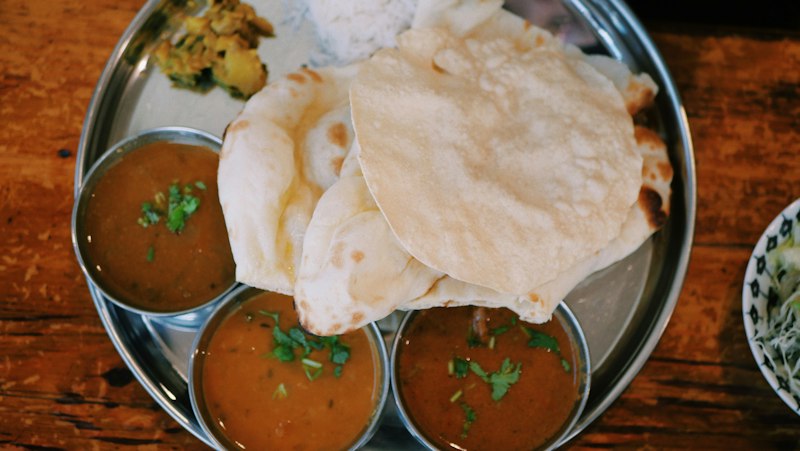
Quality hawker meals: delicious and calorie-conscious
This is your go-to, and it’s one of the most fat-loss-friendly hawker meals available.
Pick lean protein: fish cakes (go for the white ones over the red ones, which are more processed), tofu, or actual sliced fish. Skip the fishball. Add leafy greens; the stall will have kailan or similar. Ask for the soup base instead of the dry peanut sauce. The sauce is where the calories hide.
A solid bowl with tofu, leafy greens, and a few vegetable items in broth is around 300-400 calories, with reasonable protein from the tofu and any fish cakes you choose. You stay full because of the soup volume and the vegetable content.
PRO TIP: A bowl of yong tau foo with tofu, leafy greens, and fish cakes in broth typically sits between 300-400 calories and delivers solid protein. This is one of the easiest hawker meals to fit into your fat loss plan.
Chicken rice looks like a trap, but the issue is the rice (cooked in chicken fat), not the chicken itself.
The simple tweak: ask for less rice, or ask for plain white rice instead of the fatty flavoured version. Most stalls will do this. Go with the steamed chicken breast over the roasted version, since roasted is more flavourful precisely because it’s fattier.
A normal plate is around 700 calories. A modified plate with less rice, steamed chicken, and a side of greens comes in under 500. Still tastes like chicken rice.
This deserves more attention. It’s a ground sesame and herb base mixed with rice and vegetables. Legitimately around 400 calories for a generous bowl, with good protein if you choose meat instead of pure veg. It’s hearty, tastes interesting, and you’ll stay full for hours.
This is your weekly workhorse. You pick one meat and two vegetables. The key is avoiding the deep-fried items. Choose steamed fish, braised tofu, or grilled chicken. Skip the fried luncheon meat, fried egg, and anything from the metal warmer tray that glistens.
A smart cai fan plate (one protein, two vegetables, with regular or brown rice) runs 350-450 calories depending on your choices. It’s flexible enough that you can eat it five days a week and keep things interesting.
Sliced fish soup or ban mian are solid choices. High protein from the fish, moderate calories from the noodles. Just stay away from the creamy versions. Laksa is delicious but calorie-dense.
Laksa, char kway teow, nasi lemak: these are all fine to eat. They’re just better as occasional choices rather than daily ones. Laksa is around 800 calories. Char kway teow is similar. Nasi lemak features ghee-cooked rice. Enjoy them once a week or once every two weeks, eat them fully, and move on.
If you work in the CBD, you have access to something most fat loss guides overlook entirely: a growing number of salad bars, grain bowl spots, and meal prep services that make hitting your macros almost effortless.
These places exist because the lunchtime crowd in Raffles Place, Tanjong Pagar, and Marina Bay wants quick, healthy options. And the food has actually gotten good.
Daily Cut is probably the best-known option. Build your own salad or grain bowl, pick a protein (grilled chicken, salmon, steak), add toppings, and choose a dressing. A typical bowl with chicken comes in around 400-500 calories with 35-40g of protein. It’s fast, the portions are consistent, and you can eat there three times a week without it getting stale.
Similar spots have popped up across the CBD. SaladStop!, Grain Traders, and Heybo all follow the same model: pick a base, pick a protein, customise your toppings. The benefit for fat loss is transparency. You can see exactly what goes into your bowl, which makes estimating calories much easier than guessing at a hawker stall.
The only catch: dressings. A creamy Caesar or sesame dressing can add 150-200 calories. Go with vinaigrettes or ask for dressing on the side so you can control the amount.
If you want the thinking taken out of it entirely, meal prep services deliver portioned meals straight to your office or home.
Nutrition Kitchen is the go-to for many of our clients. Every meal comes with full macro breakdowns: calories, protein, carbs, fat. You pick a plan based on your calorie target, and they handle the rest. The food rotates weekly so you’re eating grilled barramundi one day, Thai basil chicken the next. It’s the closest thing to autopilot fat loss.
Fresh Pod offers a similar service with a focus on clean, balanced meals. Their portions tend to be generous, and the menu changes regularly. Both services deliver islandwide, and most plans work out to SGD 12-15 per meal.
The real advantage of meal prep is consistency. You know exactly what you’re eating, the calories are already calculated, and there’s zero decision fatigue at lunchtime. For clients who travel frequently or have unpredictable schedules, having a meal prep service as a fallback removes the guesswork entirely.
CBD STRATEGY: Mix hawker meals with salad bar lunches during the week. Use a meal prep service like Nutrition Kitchen or Fresh Pod for the days you know will be hectic. This combination gives you flexibility and consistency, which is exactly what sustainable fat loss requires.
You’re going to be stuck between meetings. You’ll finish a gym session nowhere near real food. This is where convenience stores become a lifesaver, as long as you know what to buy.
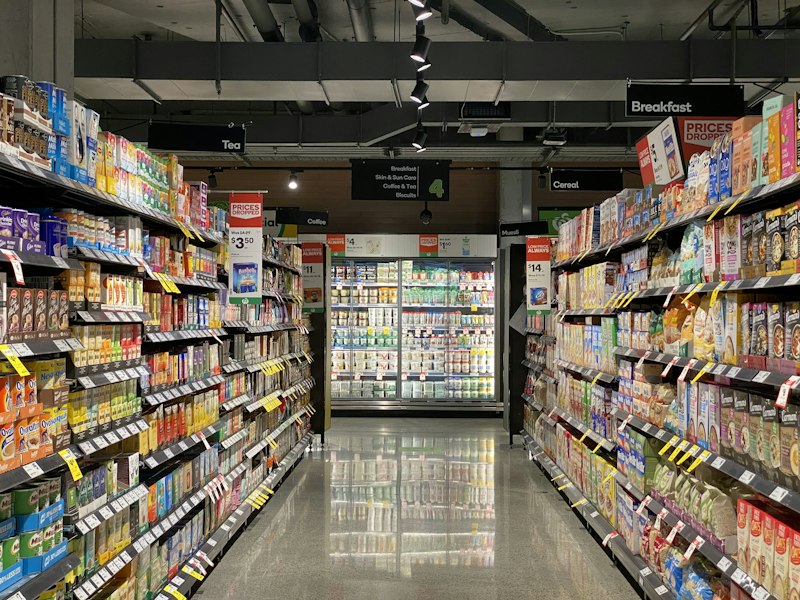
Strategic convenience store shopping: fuel between commitments
Hard-boiled eggs: the 2-pack is around 140-160 calories with 12-14g protein. Always reliable.
Chicken breast packs: most 7-Elevens stock ready-to-eat chicken. That’s 25-30g of protein in 150-180 calories.
Greek yoghurt cups: Fage or similar brands. Around 100 calories, 15g protein.
Onigiri: salmon or tuna varieties, around 180-200 calories. A solid carb source between commitments.
Whole grain sandwiches: around 300 calories and actually edible.
Mixed nuts: small pack, 150-200 calories, reasonable protein.
Protein bars: choose ones with 15g+ protein and less than 200 calories.
Banana: under 100 calories, fills a gap, contains potassium.
Black coffee, green tea, water. Keep it simple.
Total: 350 calories, 18g protein
Bao, curry puffs, anything from the fried warmer: that’s 300-400 calories for two pieces. Same goes for sugary drinks, instant noodles, and “healthy” smoothies that are 50% sugar.
This is the real challenge. You’re at CUT or Burnt Ends for the meeting, not for your macros. Ordering a salad with dressing on the side while everyone else eats the tasting menu is a good way to kill the vibe.
Eat light during the day. A protein-heavy lunch (maybe the yong tau foo or a cai fan), then skip the afternoon snack. Think of it as managing your calorie budget so you can eat normally at the dinner.
CALORIE BANKING STRATEGY: Eat a light, protein-heavy lunch on client dinner days. This is intentional budgeting, not restriction. You’re creating the space to eat normally at the restaurant while staying within your daily target.
Grilled fish, steak, sashimi: whatever the restaurant offers, start with the protein. Fill up on protein and vegetables first. The rice or bread comes second.
Stick to spirits with soda water (gin and soda, vodka soda, around 100 calories per drink with no sugar). Dry wine works too, around 120-150 per glass. Cocktails are the expensive option calorie-wise (often 250-400 calories), and beer adds up at 150+ calories per glass.
Set a limit. Two drinks is a good default. Alternate with sparkling water.
One dinner changes nothing in the long run. If you go over your calorie target, so what? What matters is what you do the next morning. Get back on plan. Eat normally and move forward. Skip the guilt, skip the extra cardio, skip the restriction.
The clients who get the best results are the ones who manage the other 90% of their meals exceptionally well.
Endless cardio is a poor fat loss strategy, especially in Singapore’s heat.
Strength training is what actually drives fat loss. Muscle tissue increases your resting metabolic rate. More muscle means your body burns more calories sitting at your desk. Over months, this compounds.
Strength training also preserves muscle during fat loss. If you’re in a calorie deficit and only doing cardio, you lose both fat and muscle. Add strength training and you lose mostly fat while maintaining muscle.
The other piece is NEAT (Non-Exercise Activity Thermogenesis). Walking, taking stairs, standing instead of sitting. In Singapore, this is easier to control: Orchard is walkable, MRT stations involve stairs. Targeting 8,000-10,000 steps per day increases your calorie deficit with zero extra gym time.
How ATP structures fat loss programmes: Strength training three times per week (30-45 minutes). Daily step targets. Nutrition coaching that gets your eating aligned with your goal.
If you’re ready to structure a fat loss programme around your actual life in Singapore, explore fat loss options for men or explore weight loss options for women.

Strength training at ATP: the foundation of sustainable fat loss
After coaching hundreds of Singapore professionals, certain patterns keep showing up:
Cutting calories too aggressively. Someone hears they need a 500-calorie deficit and decides to eat 1200 calories per day. That’s too aggressive. A 300-500 calorie deficit is sustainable.
Treating bubble tea as “just a treat.” A large bubble tea with full sugar and pearl is 500+ calories. That’s a full meal’s worth. One per day adds up to 3,500 extra calories per week, which is roughly one pound of fat gain.
Relying on juice cleanses or detox teas. From Shopee. You do it for a week, feel slightly lighter (it’s water weight), then everything comes back. A calorie deficit works. The juice cleanse just makes you poor and constipated.
Eating too little protein. Most Singaporeans eat around 40-50g per day when they should be targeting 100-150g.
Avoiding carbs entirely, then bingeing on the weekend. Carbs are fine. Better to eat them in moderation every single day.
Realistic rates: 0.5-1% of your body weight per week.
For an 80kg person: 0.4-0.8kg per week. For a 70kg person: 0.35-0.7kg per week.
Most ATP clients see visible changes in 8-12 weeks. The dramatic “before and after” transformations take 6-12 months.
See our client results for real examples.
Can I lose belly fat specifically?
Spot reduction is a myth. You lose fat from your entire body in a pattern determined by genetics.
Do I need supplements to lose fat?
A calorie deficit, adequate protein (1.6-2.2g per kg), and consistency beat any supplement on the market.
Is it possible to lose fat and gain muscle at the same time?
Yes, especially if you’re new to strength training. It’s called body recomposition.
How much protein should I eat per day?
Aim for 1.6-2.2g per kg of body weight. For a 70kg person: 112-154g. For an 80kg person: 128-176g.
Should I do intermittent fasting?
It’s a tool, not a requirement. The mechanism is calorie deficit. Meal timing is preference.
Fat loss in Singapore is about working with your actual environment. Eating hawker food intentionally. Choosing 7-Eleven meals strategically. Managing client dinners. Training in a way that fits Singapore’s climate and your schedule. Building habits that stick.
Our clients at ATP do this every single day. They lose fat. They keep it off. They eat at hawker centres, go to client dinners, live in Singapore fully.
If you’re ready to build a fat loss programme around your actual life (hawker meals, client dinners, and all), book a consultation with ATP. We’ll assess where you are, show you your numbers, and design a plan that works in Singapore.
Because the best fat loss plan is the one that fits your life. And your life happens to be in Singapore.
Book a free consultation with ATP Personal Training. No commitment, no sales pressure. Just an honest conversation about your goals and how we can help you reach them.
See our fat loss results from clients who’ve done exactly this. Or explore fat loss for men and weight loss for women to understand how we approach these programmes.